











Selected ESG reporting features in Kontainer PIM
Build out your compliance capabilities in a fully inclusive system. Start preparing for EU product passports today.

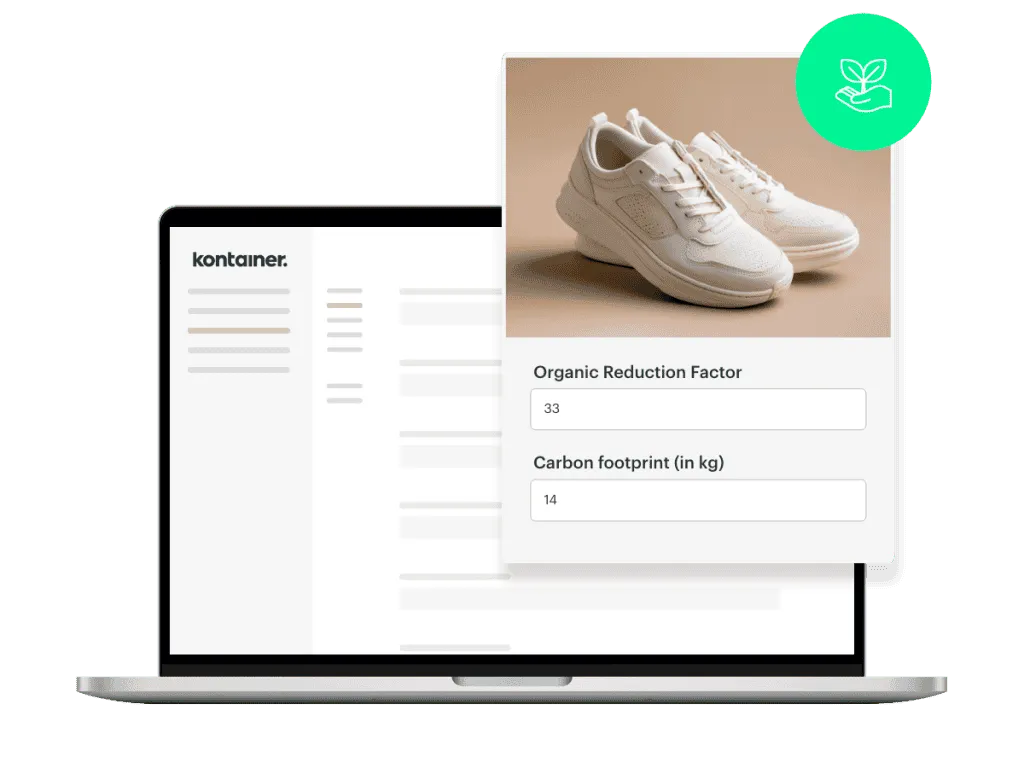
Supplier self-service

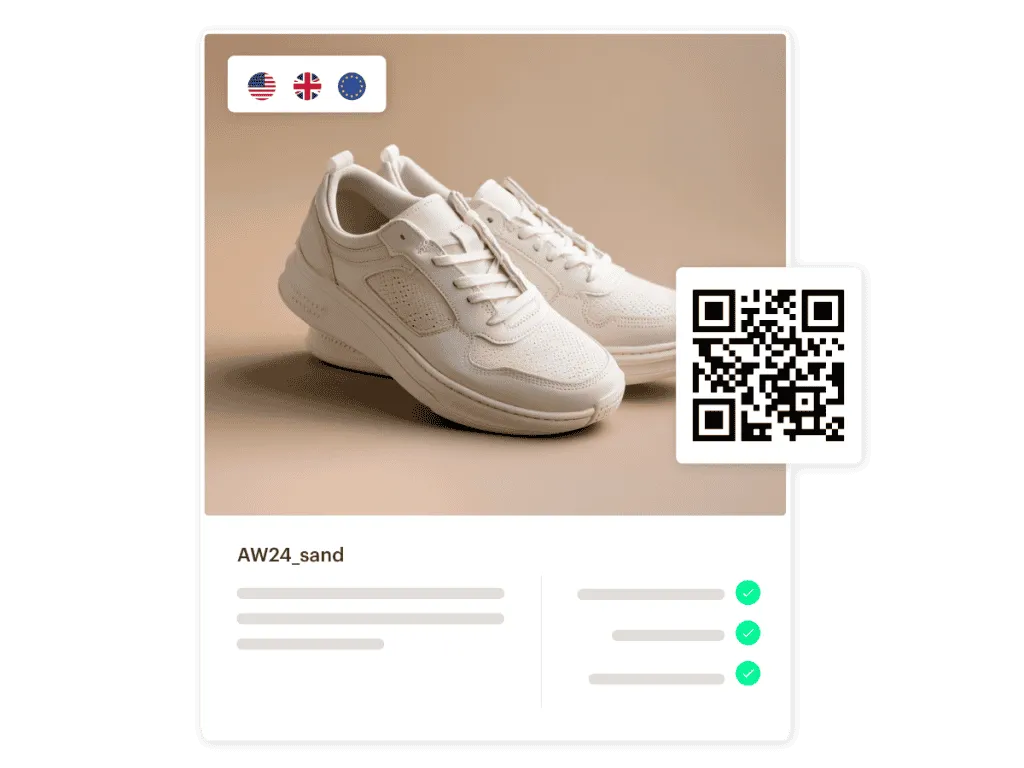
Smart channels

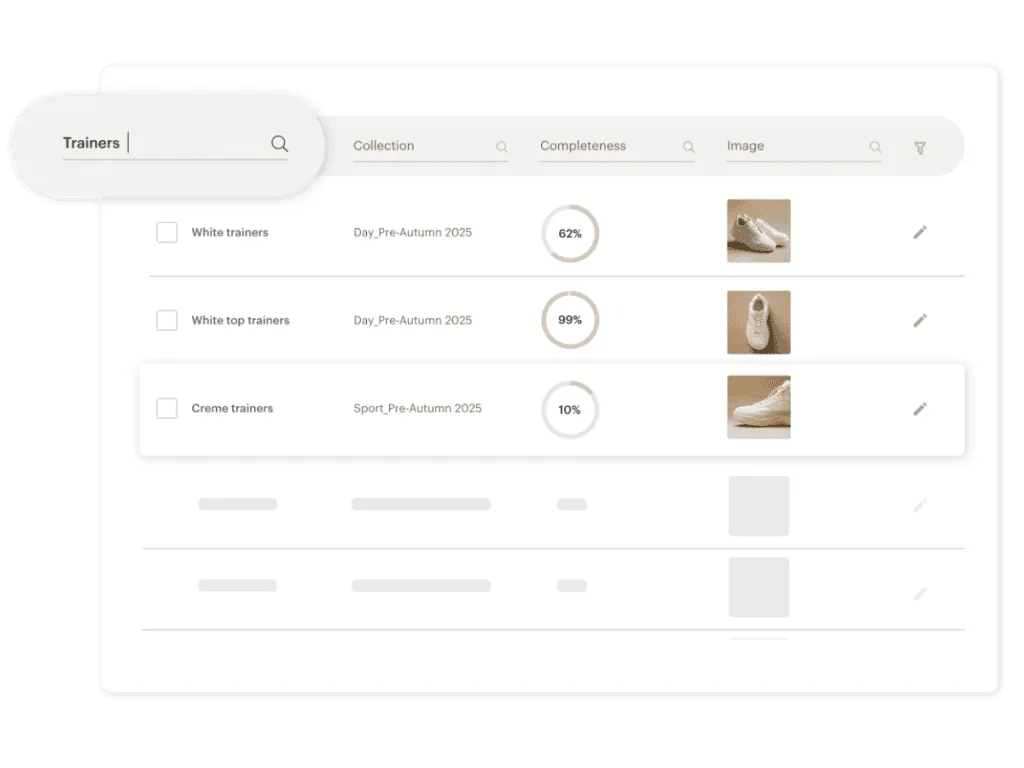
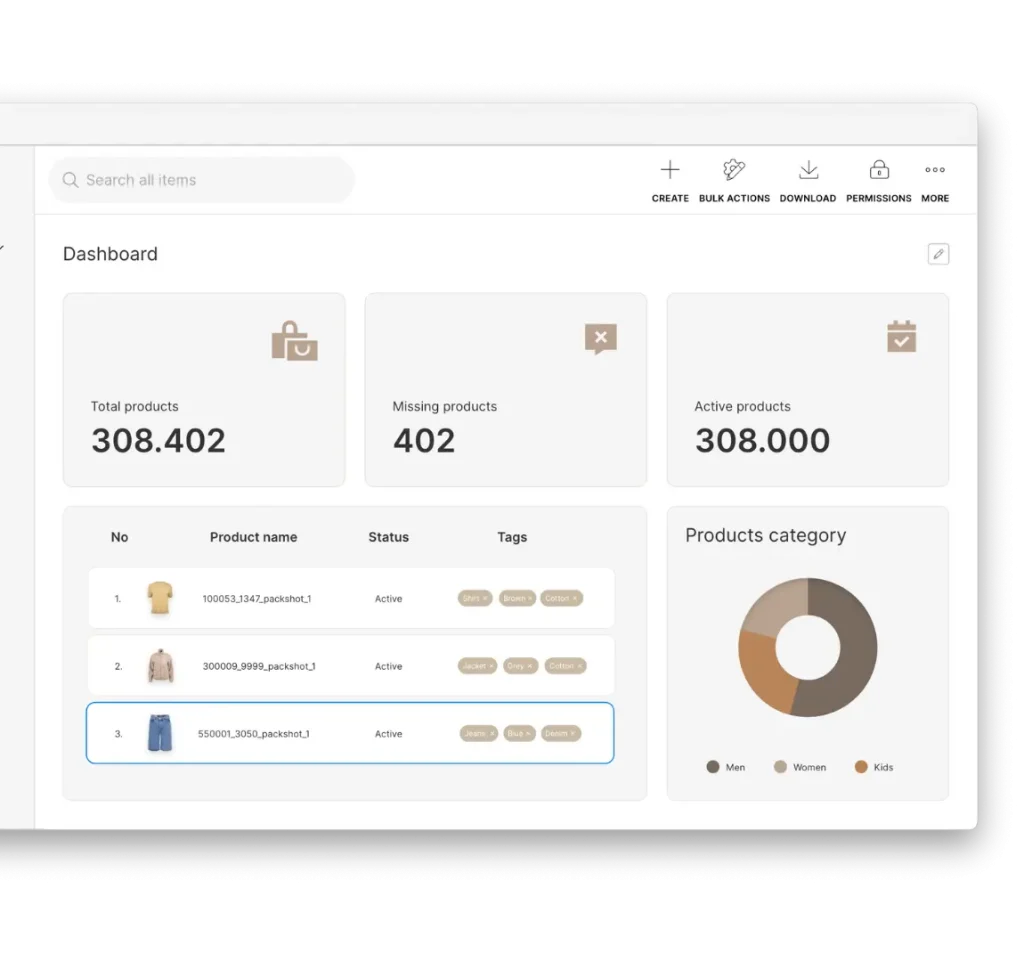
Easy overviews

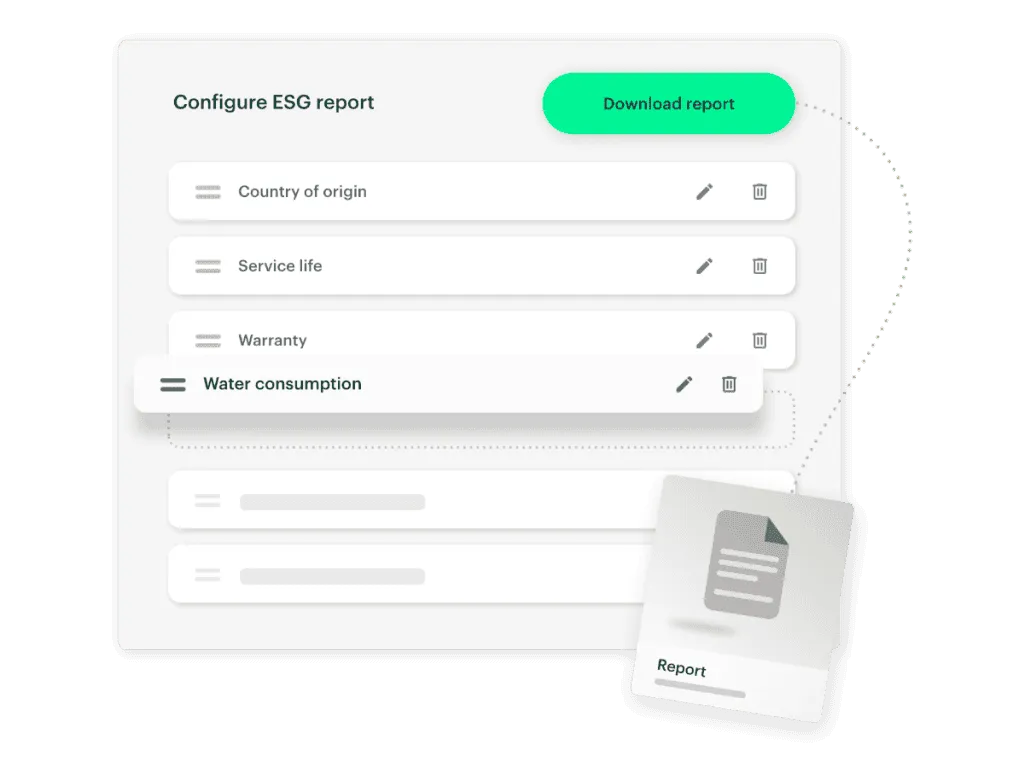
Export templates

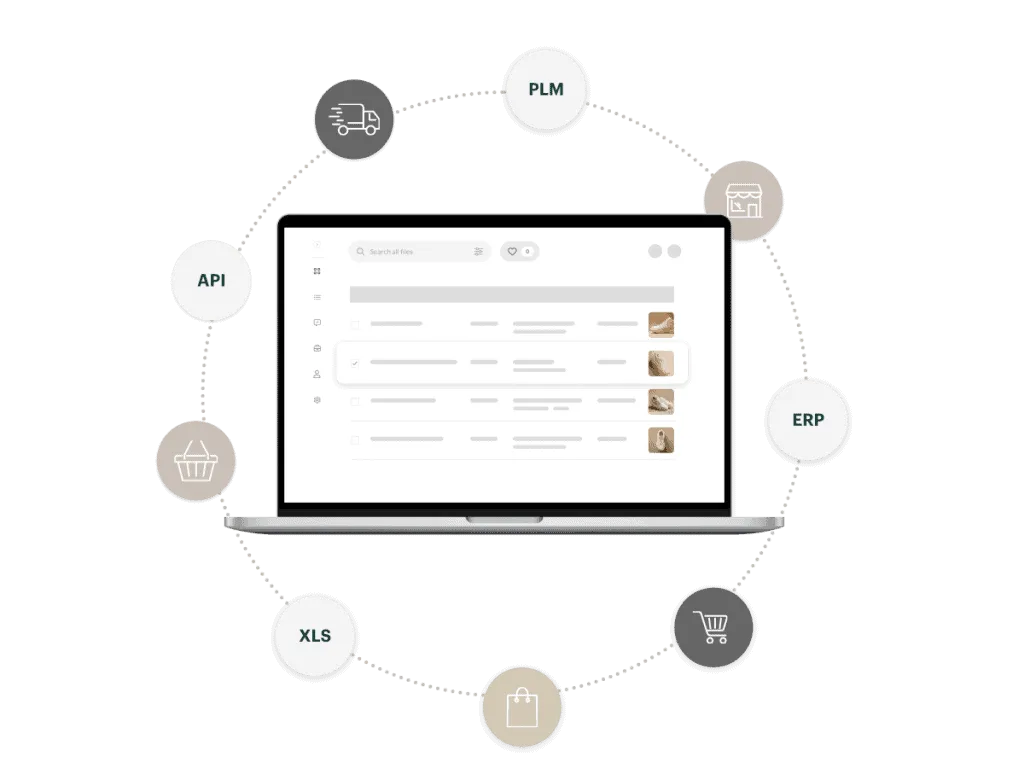
API & integrations

CSRD & DPP compliance




FAQs on social responsibility reporting
What is the Digital Product Passport (DPP)?
The DPP ensures products meet EU sustainability standards. Kontainer helps import, manage, and track supplier data for compliance.
What is CSRD?
The CSRD (Corporate Sustainability Reporting Directive) is a European Union regulation requiring companies to disclose detailed information on their environmental, social, and governance (ESG) impacts. It aims to improve the transparency and accountability of businesses concerning sustainability issues. This directive applies to large companies and listed SMEs, ensuring that they report on their sustainability strategies, risks, and performance, promoting responsible business practices and aiding the transition to a more sustainable economy within the EU.
What is the Kontainer PIM platform?
Kontainer PIM helps businesses manage data related to ESG compliance, offering an intuitive, no-code system for automating reporting, data collection, and management.
What does ESG stand for?
ESG stands for Environmental, Social, and Governance. It refers to a set of criteria used to evaluate a company’s performance in these three areas:
- Environmental: How a company manages its impact on the planet, including factors like climate change, resource use, and waste management.
- Social: How a company handles relationships with employees, customers, and communities, focusing on labor standards, diversity, and human rights.
- Governance: How a company is run, covering issues like executive pay, board diversity, transparency, and ethical practices.
ESG factors are commonly used in responsible investing and corporate sustainability efforts.
How does Kontainer support ESG compliance?
Kontainer assists companies in meeting EU sustainability regulations by simplifying data collection, integration, and reporting for ESG and Digital Product Passports.
How can suppliers manage their data in Kontainer?
Suppliers can get access to the system and use self-service options to securely input and manage their own data, ensuring seamless integration.