Kontainer PIM implementation guide


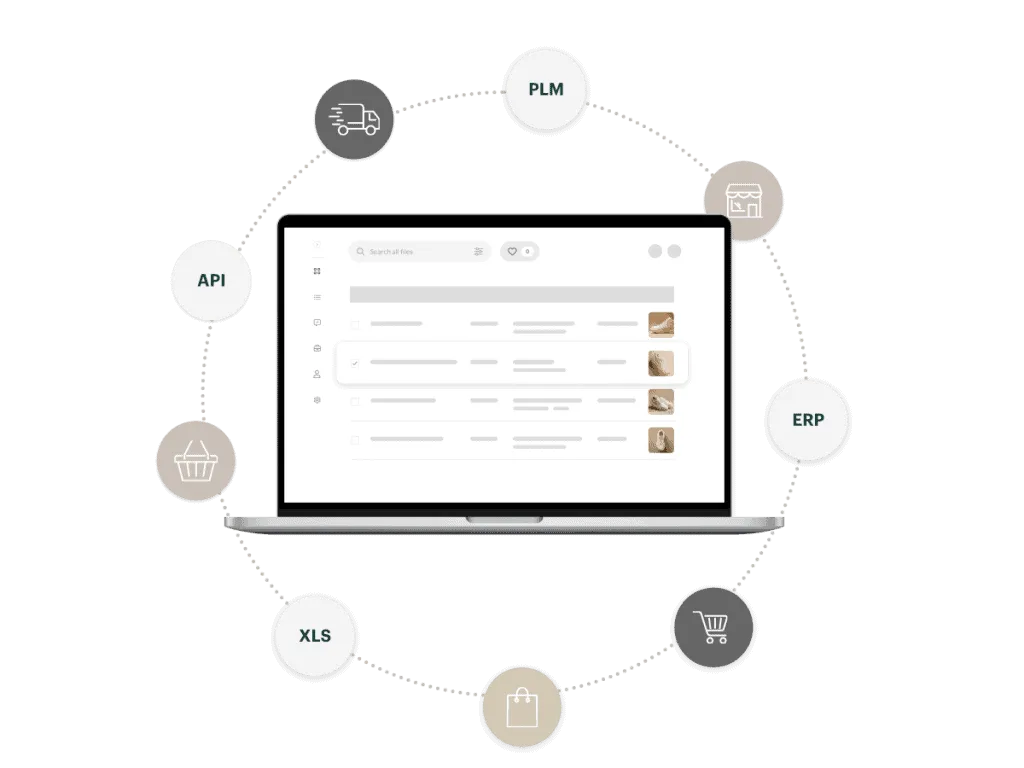
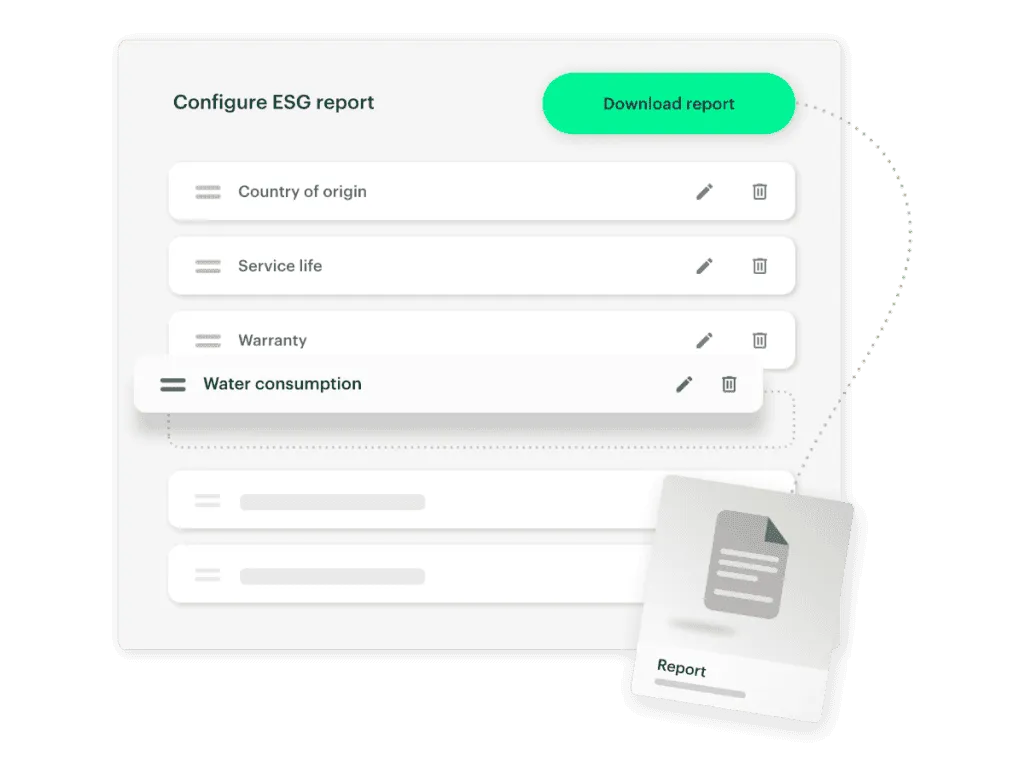
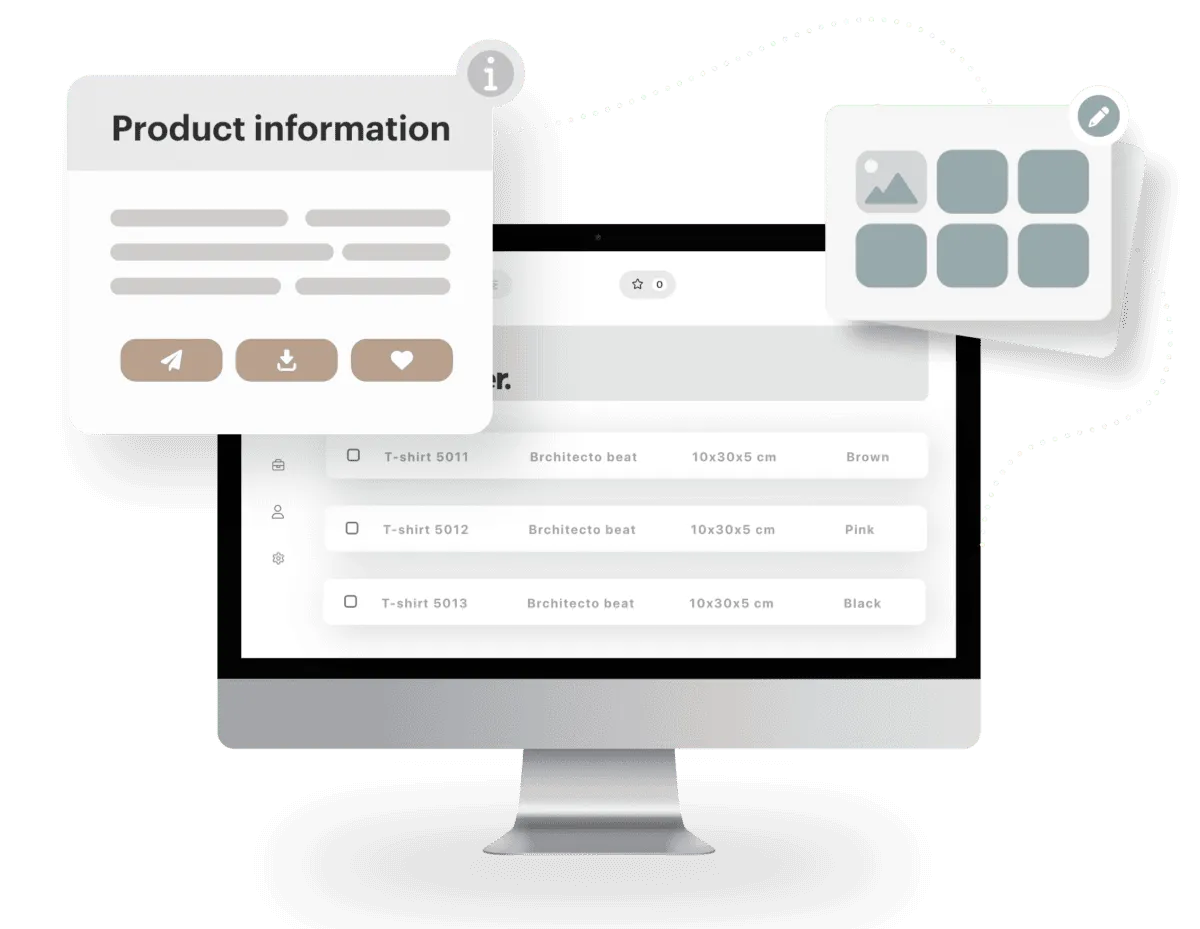
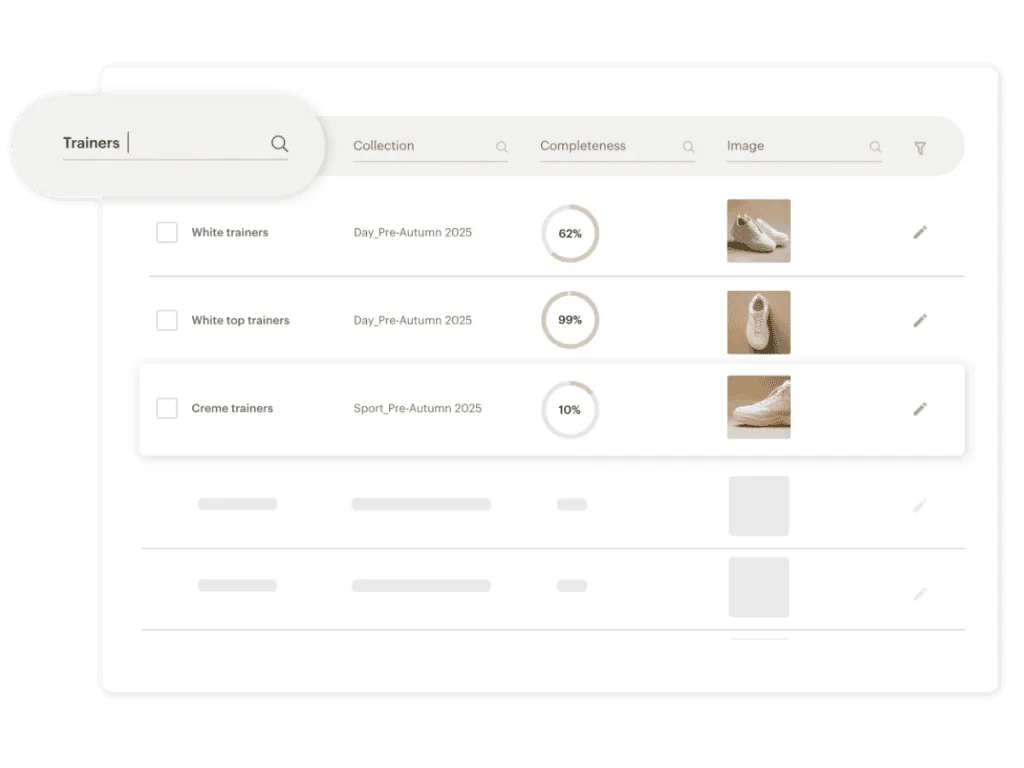
From evaluating your existing data to setting up automated workflows and integrating with your webshops, we're here to ensure a smooth PIM implementation tailored to your needs.


"Kontainer PIM has transformed how we manage our product data, streamlining workflows and making it easier to collaborate across teams."



PIM implementation FAQs
What is the typical timeline for implementing Kontainer PIM?
The timeline for a PIM implementation can vary depending on the complexity of your existing systems and the level of customization needed. However, most implementations are completed within 6-16 weeks, from the initial consultation to full system integration.
Can Kontainer PIM integrate with my existing tools and platforms?
Yes, Kontainer PIM is designed to integrate seamlessly with a variety of systems, including e-commerce platforms, CRM tools, ERP systems, and other third-party applications. Our team will work with you to ensure all necessary integrations are properly configured.
What level of customization is possible with Kontainer PIM?
Kontainer PIM offers a high level of customization to meet your specific business needs. Whether it’s custom fields, workflows, or integrations, our team works closely with you to tailor the system to your requirements while ensuring ease of use and scalability.
What kind of support is available during and after implementation?
Kontainer provides comprehensive support throughout the implementation process, including project management, training, and integration services. Post-launch, we offer ongoing consultation and technical support to ensure your system continues to meet your evolving needs.
How secure is the Kontainer PIM system?
Security is a top priority for Kontainer. Our platform includes robust data encryption, GDPR compliance, regular backups, and continuous monitoring to ensure your product information and digital assets are protected at all times.
What industries benefit most from Kontainer PIM?
Kontainer PIM is used across various industries, including fashion, manufacturing, retail, media, and more. It’s especially beneficial for businesses that manage large volumes of product data and digital assets, helping them streamline processes and ensure data consistency across platforms.